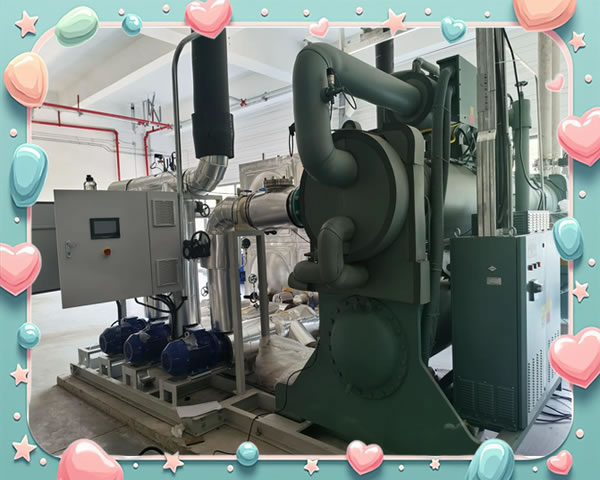
with the rapid development of technology and enterprises' increasing emphasis on data security, the life cycle of servers has gradually shortened, and server recycling has gradually become a problem that enterprises must face. how to choose an appropriate server recycling solution is not only related to the company's cost control, but also to data security and environmental protection. this article will delve into the best options and recommendations for server recycling in malaysia , helping companies make informed decisions during the recycling process.
the importance of server recycling
server recycling is not only a part of enterprise asset management, but also involves environmental protection and data security. when enterprises upgrade or replace servers, they often face the problem of how to deal with old servers. proper recycling solutions can effectively avoid data leaks and environmental pollution. recycling through formal channels not only ensures that data is safely destroyed, but also helps companies reduce environmental burdens and is in line with the concept of sustainable development.
choose the right server recycling company
in malaysia, choosing a suitable server recycling company is crucial. enterprises should consider the following factors: first, the company's qualifications and reputation. choosing a company with good reputation and certification can ensure service quality and data security. secondly, the transparency of the recycling process is also very important. enterprises should understand how the recycling company handles old equipment to ensure that the data is completely destroyed and avoid the risk of leakage. finally, the environmental responsibility of the recycling company is also a key factor. choosing an environmentally friendly company can help the company establish a good image.
data security and privacy protection
data security is one of the most important considerations during server recycling. when businesses recycle old servers, they must ensure that all sensitive data is completely removed. compliant recycling companies will often provide data erasure certificates to ensure that customers' data will not be compromised during the recycling process. in addition, enterprises should regularly back up data on servers to prevent data loss due to equipment recycling.
environmental awareness and sustainable development
as environmental awareness increases, more and more companies are paying attention to the environmental impact of server recycling. choosing a responsible recycling company will ensure that your old equipment is disposed of properly and meets environmental standards. recycling companies should have the relevant qualifications to handle discarded electronic products and be able to comply with national and regional environmental protection regulations. by participating in green recycling, companies can not only reduce their impact on the environment, but also enhance their social responsibility.
reuse of second-hand servers
in addition to recycling, the reuse of second-hand servers is also an option worth paying attention to. in malaysia, many companies offer certified second-hand servers that have been professionally inspected and maintained, perform well, and are relatively cheap. for small businesses on a budget, buying a used server is an affordable option. in addition, this method can also reduce electronic waste and is environmentally friendly.
summary and suggestions
when recycling servers in malaysia, companies need to comprehensively consider multiple factors such as data security, environmental responsibility, and economic benefits. choosing a reputable recycling company that ensures safe and environmentally responsible destruction of data is key for businesses to make informed decisions. in addition, considering the reuse of second-hand servers can save costs and support sustainable development. through reasonable recycling and reuse programs, companies can not only safeguard their own interests, but also contribute to society and the environment.
- Latest articles
- Technical Guide: How Can Newbies Quickly Test And Go Online With Singapore Cn2 Direct Connection?
- Recommended Vps Cambodia Images And Automated Deployment Templates For Developers
- Zelda Scheduled Hong Kong Server And Local Server Delay Comparison And Selection Suggestions
- Japanese Cloud Server Download And Migration Practical Guide In Offline Installation Scenario
- Comparing The Specific Requirements For German Independent Servers On The Capabilities Of Operation And Maintenance Teams From Hosting To Self-management
- Network Diagnosis Method For Vietnam Server Cf Game Commentary In A Cross-border Battle Scenario
- Comparison Of Performance Of Japanese Cn2 Lines In Operator Interconnection In Different Regions
- Are There Cloud Servers In Taiwan? Latest Market Supply And Purchase Channel Inventory
- How Enterprises Choose The Right Supplier To Deploy Hong Kong Cn2 To Enhance Overseas Access
- Assessing Buying And Selling Opportunities After The Decline In Housing Prices In Thailand From A Medium- To Long-term Perspective
- Popular tags
-
How Small Teams Build Development And Testing Environments Using Cheap Malaysian Servers
Practical Guide for Small Teams: How to Build an Efficient, Low-Cost Development and Test Environment Using Cheap Malaysian Servers, Including Selection, Network Optimization, Environment Isolation, Backup, and Automated Deployment Recommendations. -

How To Find The Best Options And Recommendations In Malaysian Servers
this article will provide you with the best options and recommendations for choosing a server in malaysia to help you make an informed decision. -

Xunxian Malaysia Server Stability Analysis And User Feedback
this article provides an in-depth analysis of the stability of xunxian’s servers in malaysia and provides detailed insights based on user feedback.